
Please Stop Helping Us
The best way to help minorities is often the simplest: uphold the same rigorous standards for everyone.

Another day, another DEI-related scandal.
Jason Arday, the youngest Black professor in the history of the University of Cambridge, resigned abruptly just as the university announced an investigation into allegations of plagiarism and the fabrication of major aspects of his life story.
Before the scandal broke, Arday had one of the most inspiring stories on paper. Born to immigrant parents and raised in South London, he said he had been diagnosed with autism, global developmental delay, dyslexia, and epilepsy. According to his own account, he was non-verbal until age 11 and could not read or write until 18. Despite these adversities, Arday appeared to excel academically. He earned bachelor’s and master’s degrees from St Mary’s University, and a PhD in Education from Liverpool John Moores University in 2015.
In 2021 Arday became one of the youngest professors in the UK when he was appointed Professor of Sociology of Education at the University of Glasgow. His research focused on racial inequality in higher education, decolonizing curricula, mental health among minority ethnic staff and students, and neurodiversity.
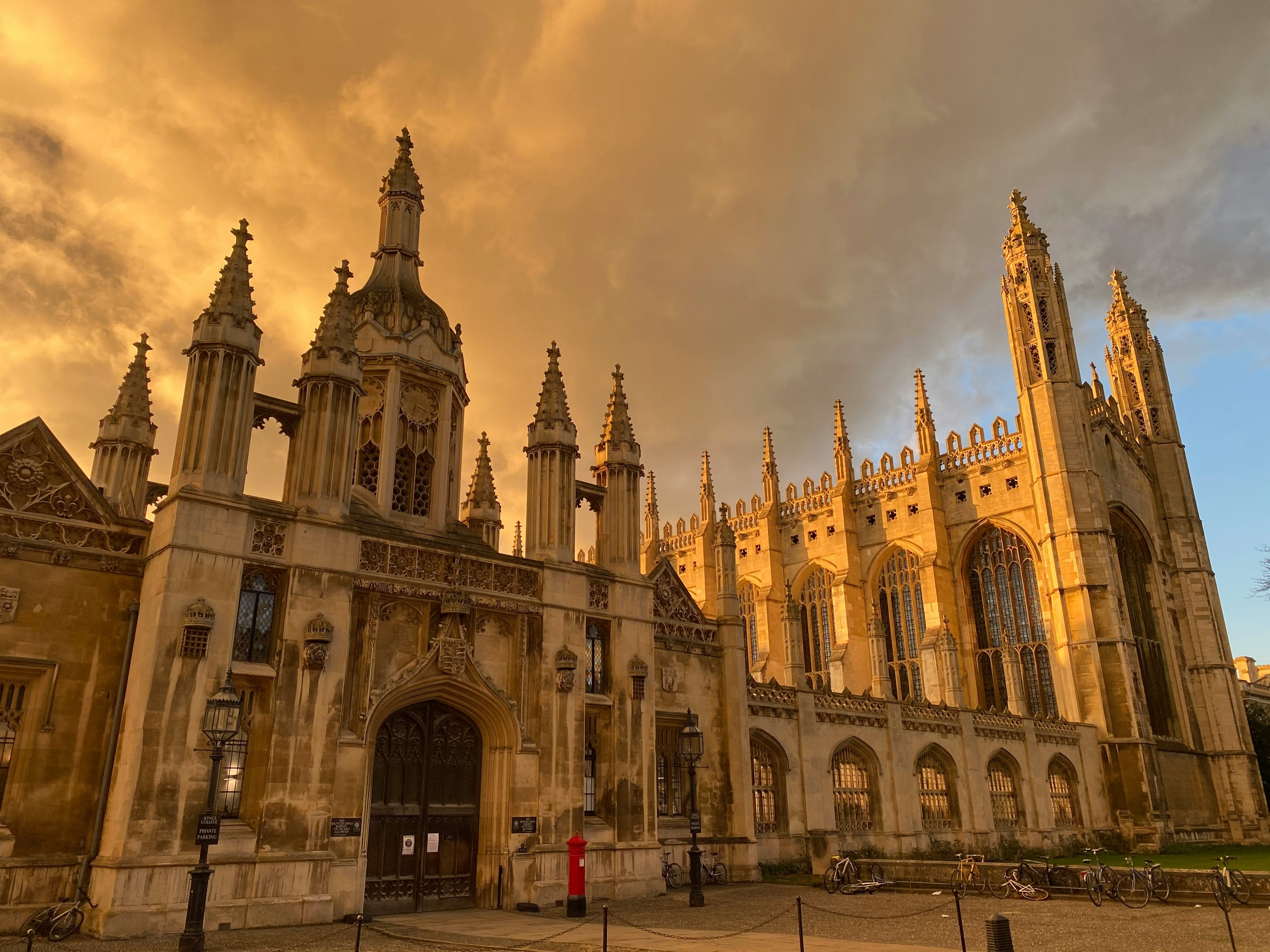
Less than two years later, in March 2023, Cambridge appointed the 37-year-old Arday to the Professorial Chair in the Sociology of Education and as a Fellow of Jesus College—making him the youngest Black professor in the university’s history. His story was widely celebrated as an inspirational example of overcoming extraordinary personal challenges. Hilary Cremin, Head of the Faculty of Education, praised him on camera: “We are so lucky to have you. You are the best in the world in terms of the research that you do.”
However, cracks in this seemingly too-good-to-be-true story began to appear as early as 2023. Dr David Harris, Professor Emeritus at Plymouth Marjon University, emailed Arday with polite but detailed concerns about possible plagiarism and inconsistencies in his work. Rather than address those concerns, Arday contacted the Metropolitan Police and reported Harris for harassment. The matter was referred to Devon and Cornwall Police, who declined to pursue it.
Separately, Times Higher Education journalist Jack Grove began investigating the allegations. Arday lodged a police complaint claiming the journalist’s inquiries were affecting his mental health. The Metropolitan Police later closed the case and advised Grove not to contact Arday again. Times Higher Education ultimately decided not to publish Grove’s investigation.
Matters came to a head in 2026. Tipped off by a Cambridge insider, researcher Nathan Cofnas ran Arday’s 2015 PhD dissertation through plagiarism-detection software. In a detailed Substack post, Cofnas documented extensive textual overlap, often near-verbatim or lightly edited passages, with Paula Zwozdiak-Myers’s 2009 PhD thesis from Brunel University, as well as overlaps with other sources. He also examined several of Arday’s later papers and found additional problems, including unattributed material and problematic interview quotations.
According to Cofnas’s source at Cambridge, “many if not most professors” had known for more than a year that Arday was a plagiarist and fabulist. Cofnas further questioned other extraordinary biographical claims, including the medical plausibility of remaining non-verbal until age 11 and the logistics of running 30 marathons in 35 days.
Cofnas’s post opened the floodgates. Subsequent reporting revealed that a book Arday claimed to have published never appeared, and that several American universities said they had never awarded him the honorary degrees he listed.
Cambridge initially dismissed the scrutiny as a “vile campaign.” As the evidence mounted, however, the university announced its own investigation. Shortly afterward, Arday resigned. He posted his resignation statement on the Good Law Project website, framing himself as the victim of a racial smear campaign rather than addressing the substance of the allegations. AI-detection tools later flagged the letter as highly likely to have been AI-generated.
Arday’s story is not complicated. Had Cambridge administrators conducted basic due diligence before offering him a professorship, they would have had serious doubts about both his academic integrity and his outlandish biographical claims. Yet many university leaders have fully embraced the ideology of Diversity, Equity and Inclusion. As Allison Pearson wrote in The Telegraph, Arday’s enablers chose to ignore the warning signs surrounding their “diversity poster boy” because acknowledging them “meant losing faith in their most cherished illusions.”
Every high-profile DEI (Diversity, Equity, and Inclusion) fraud case initially thrives because key figures in authority choose to turn a blind eye. When institutions compromise their standards or dismiss evident warning signs for the sake of diversity, they ultimately damage their own credibility and devalue the genuine successes of those who achieve through true merit.
As a minority myself, Frederick Douglass’s poignant words from his 1865 speech, “What the Black Man Wants,” resonate deeply: “Do nothing with us! … All I ask is, give him a chance to stand on his own legs! Let him alone!”
The best way to help minorities is often the simplest: uphold the same rigorous standards for everyone. We should refrain from interfering in ways that undermine trust and obscure authentic accomplishments.
Thank you, Helen. The best way, I think, to eliminate racism is to realize that the color of a person's skin in no way defines that person's personality - except as forced on the person by people who focus on skin color rather than ability. The same is true for any other minority.